IoT smart home system built from weather station, after research identified a 2nd buyer.
Kara Lineal turned an internet-connected weather station into a smart home product by identifying who else would buy it and why.
A survey of 361 buyers showed that smart home owners were nearly three times as likely as weather enthusiasts to say they would definitely buy. That finding shaped the launch of the smart home environmental monitoring system, which launched in July 2016 around home alerts instead of weather data.
AcuRite, Chaney Instrument Co. (Primex Family of Companies) | Senior Director of Marketing | 2011 to 2016
-
Accounts on the connected platform by July 2015
-
Smart home buyers vs weather enthusiasts who would definitely buy
-
Stayed interested in alerts at $1.99 a month
Challenge
The company’s first internet-connected weather station had a loyal but narrow buyer. Registration data showed that 90% of owners were men and 60% were over 51. The team identified this audience as the weather enthusiast. He wanted temperature and humidity to a tenth of a degree, uploaded his readings to Weather Underground, and competed with neighbors on data captured.
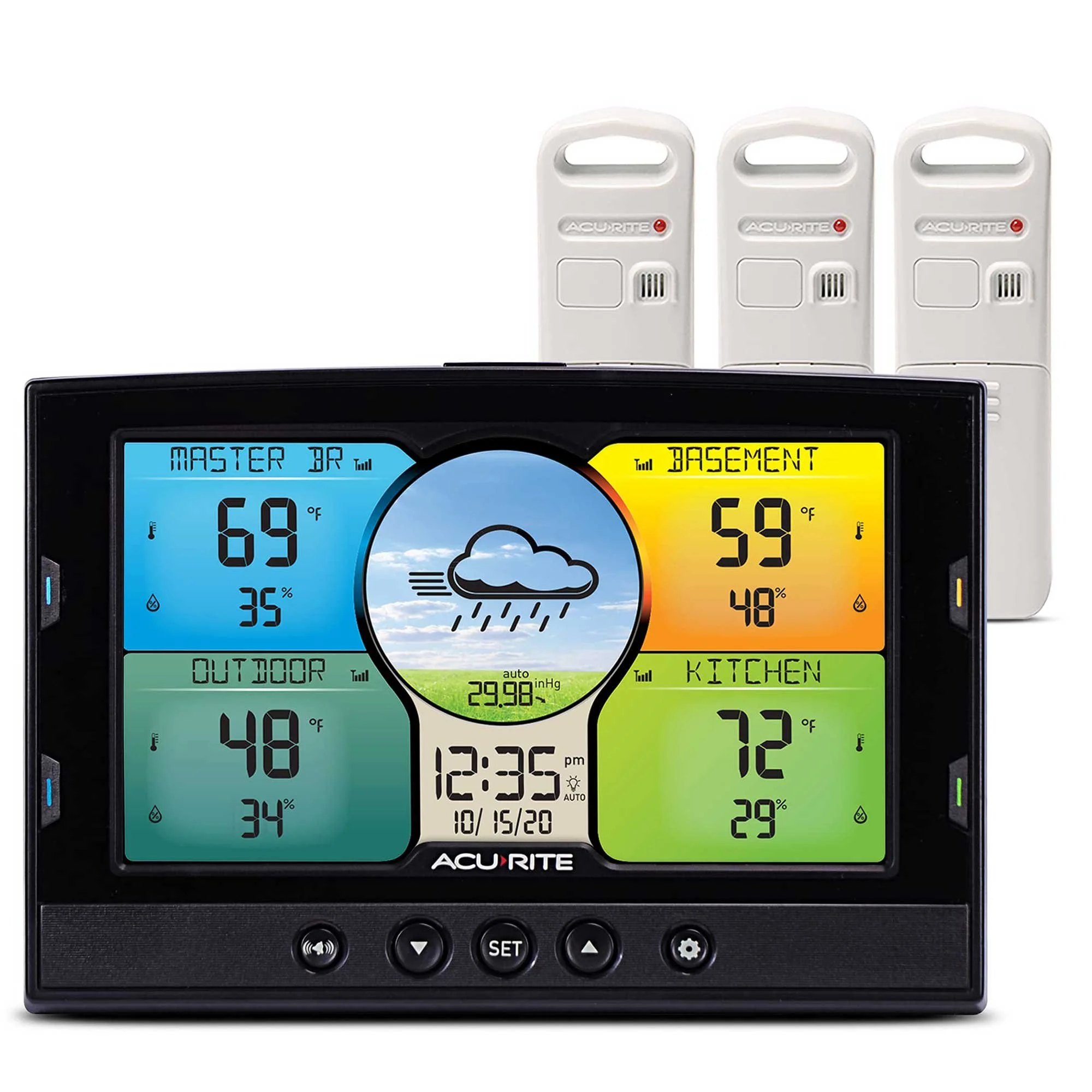
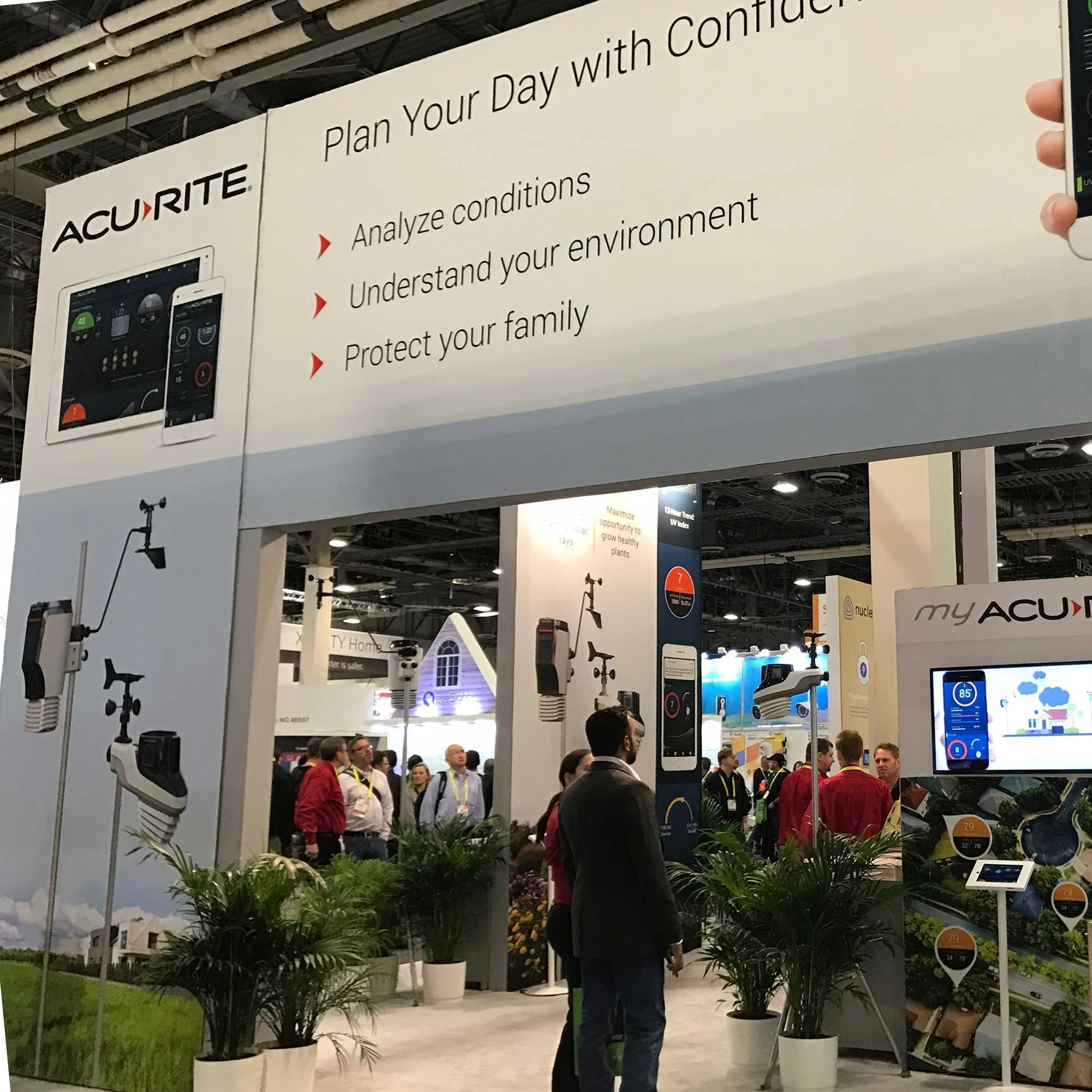
The platform was also growing faster than it could handle. By July 2015 it had more than 68,000 accounts and was adding about 700 a week. Each internet-connected hub supported up to three weather sensors, and users reported missing data and outages. After a record holiday season, the company's president wrote to customers in January 2016 to apologize for server instability.
“Weather enthusiasts wanted the temperature down to a tenth of a degree accuracy. The smart home buyer didn’t care what the temperature was, he just wanted to know what to do about it to take care of his home environment.”
What Kara did
Kara recruited the research audiences and ran the customer research program that identified a second buyer and a second category.
The current customer, defined.
In-home interviews with product owners in June 2013 split the buyer into three segments: the obsessive weather checker, the amateur meteorologist and the techie creator.A new customer, identified.
Smart home focus groups and a consumer study defined a new target: a male homeowner, 30 to 60, who already owns smart home devices and doesn't care what the temperature is. He wants to know when conditions in the house could cause a problem: mold, frozen pipes, leaks.Product insights identified.
In a September 2015 survey, 36% of smart home users said they would definitely buy the home system at $189, against 13% of weather enthusiasts for the weather version. 75% of smart home users rated risk alerts very important, and 87% stayed interested at $1.99 a month, against 30% of weather buffs.B2B targets evaluated.
Phone interviews were conducted across warehouses, farms, nurseries, property management and construction to learn whether businesses would buy the system. Follow-up interviews focused on property managers and landscapers.
The finding reset the product. The weather enthusiast wanted data. The smart home user wanted an alert that told him what to do, such as a note that a cold snap is coming and this is the week to put WD-40 on the doors.
“We explored who else would buy our sensors and what they would use them for. The product was the same. The reason to buy it was completely different.”
What happened
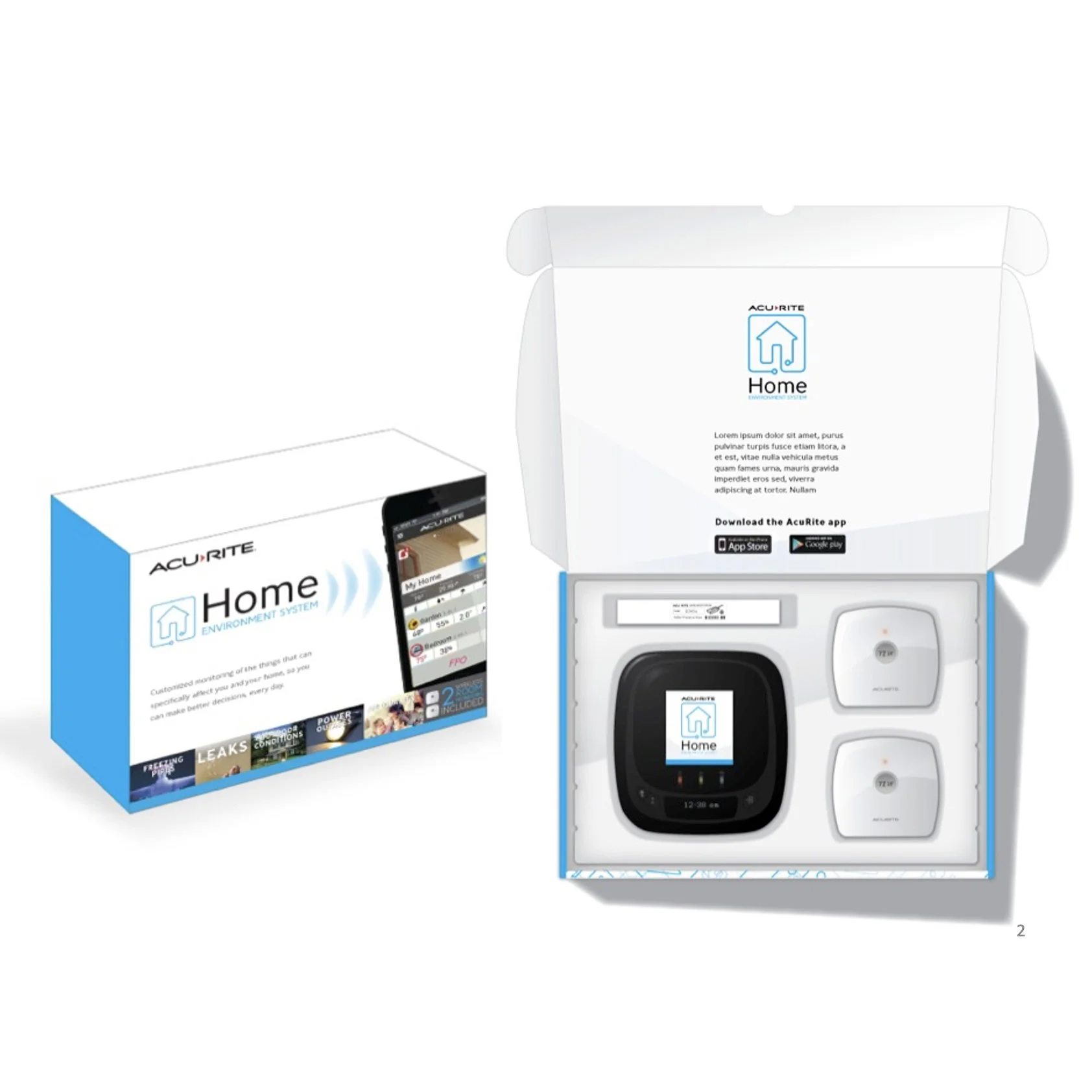
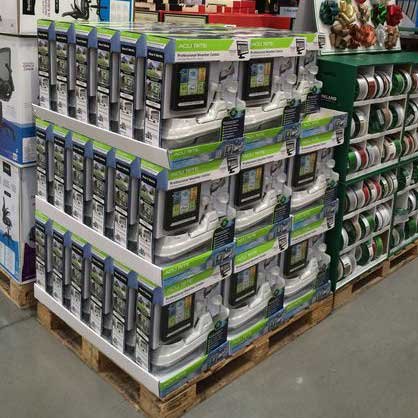
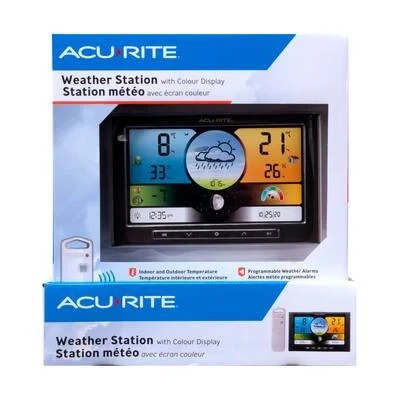
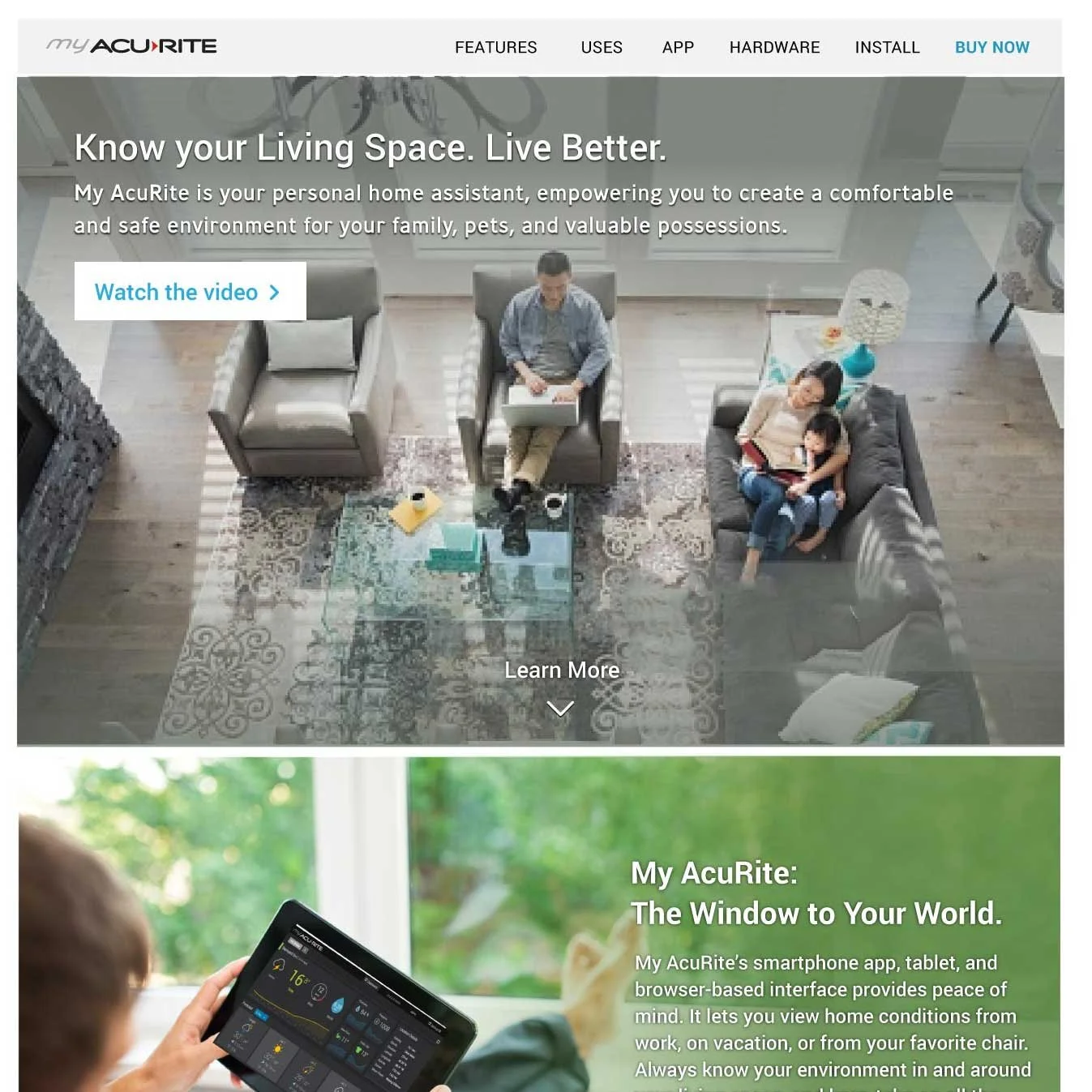
The product relaunched on July 12, 2016 as a smart home environmental monitoring system rather than a weather station. The research carried straight into the build:
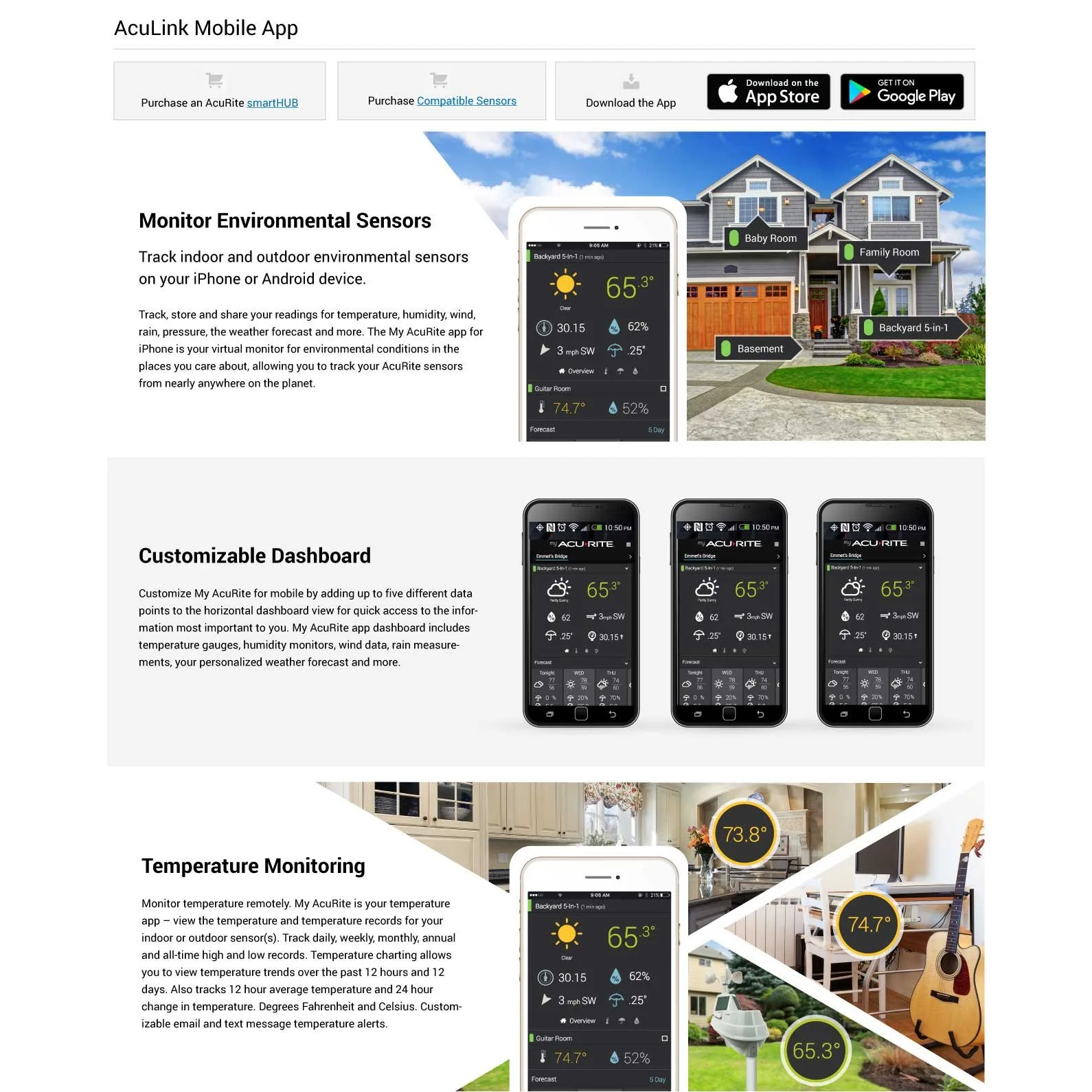
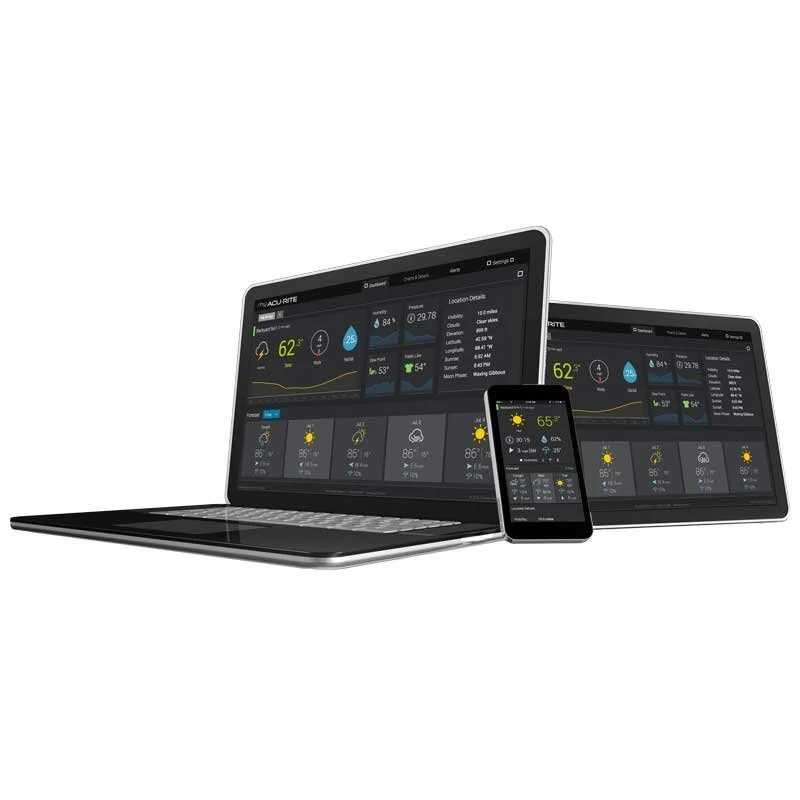
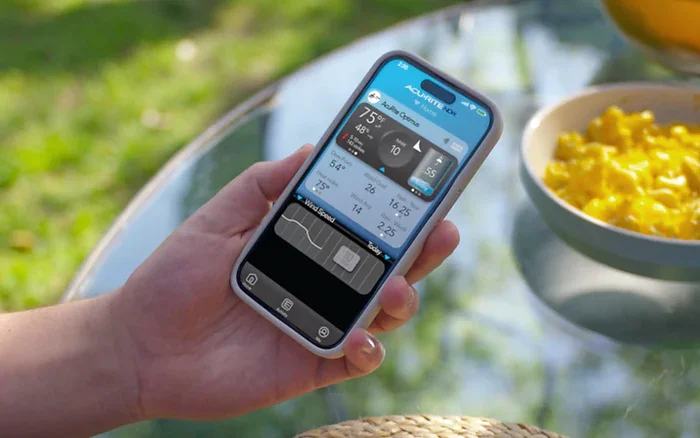
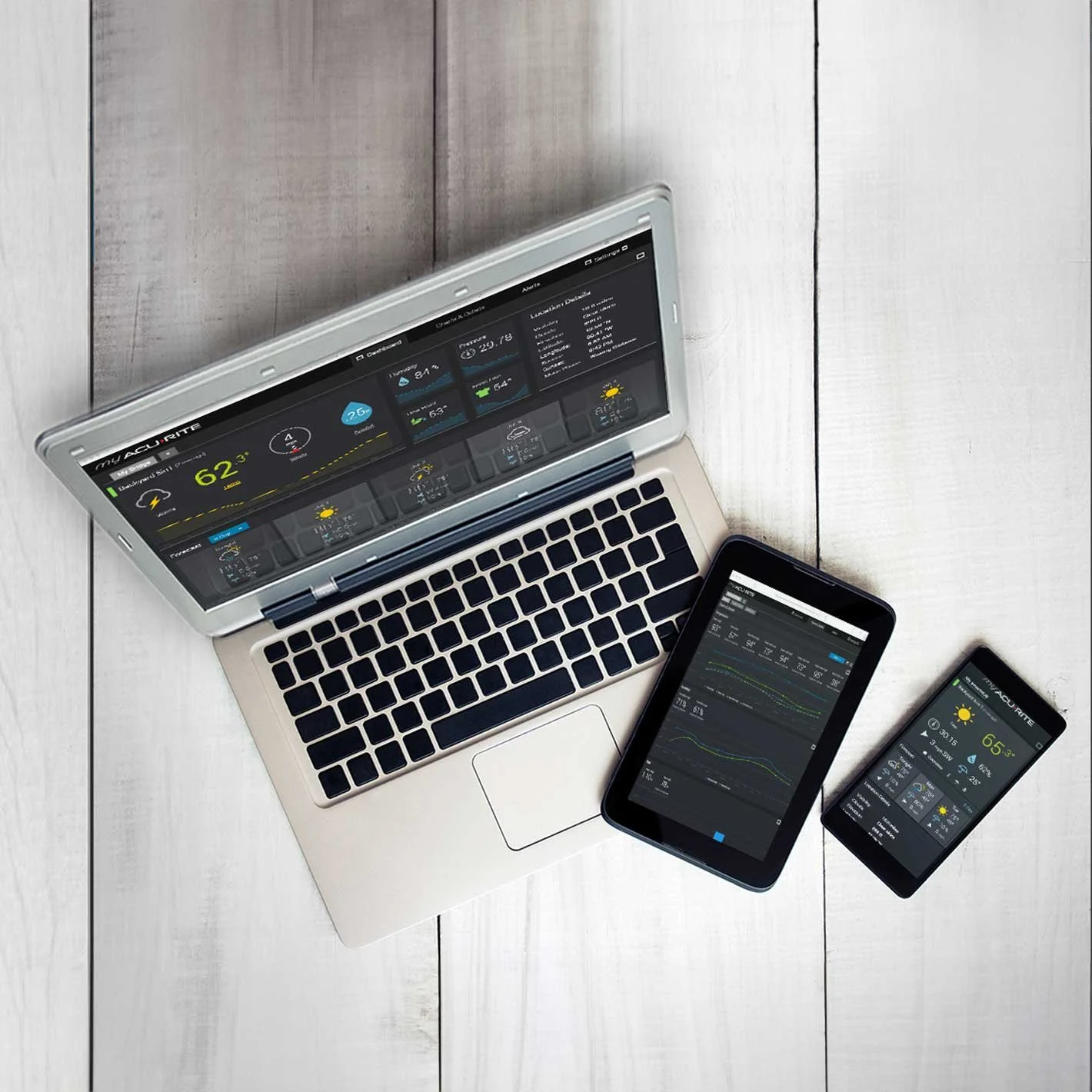
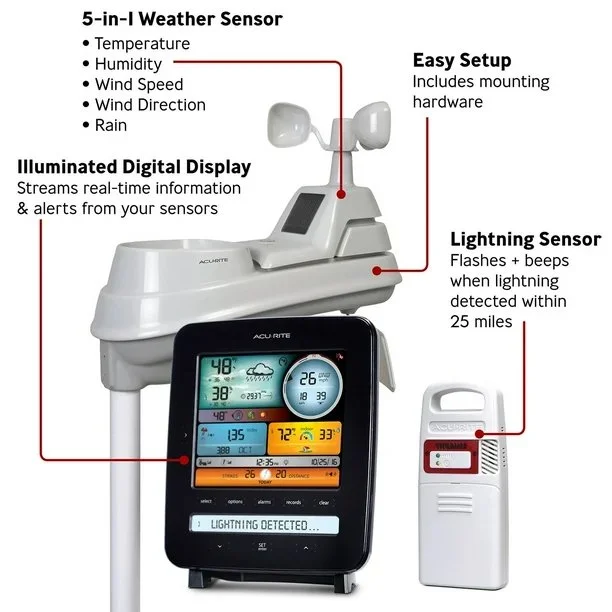
Alerts first: Custom alerts by text, email and push for water leaks, freezing temperatures, humidity that invites mold, and high wind.
More sensors: Each hub now supports 10 sensors, up from 3, including water leak, liquid temperature and soil sensors.
Two buyers, one platform: Separate landing pages and messaging for the home buyer ("Your personal home assistant") and for the weather enthusiast. The weather enthusiast kept his data, and the smart home user got his alerts.
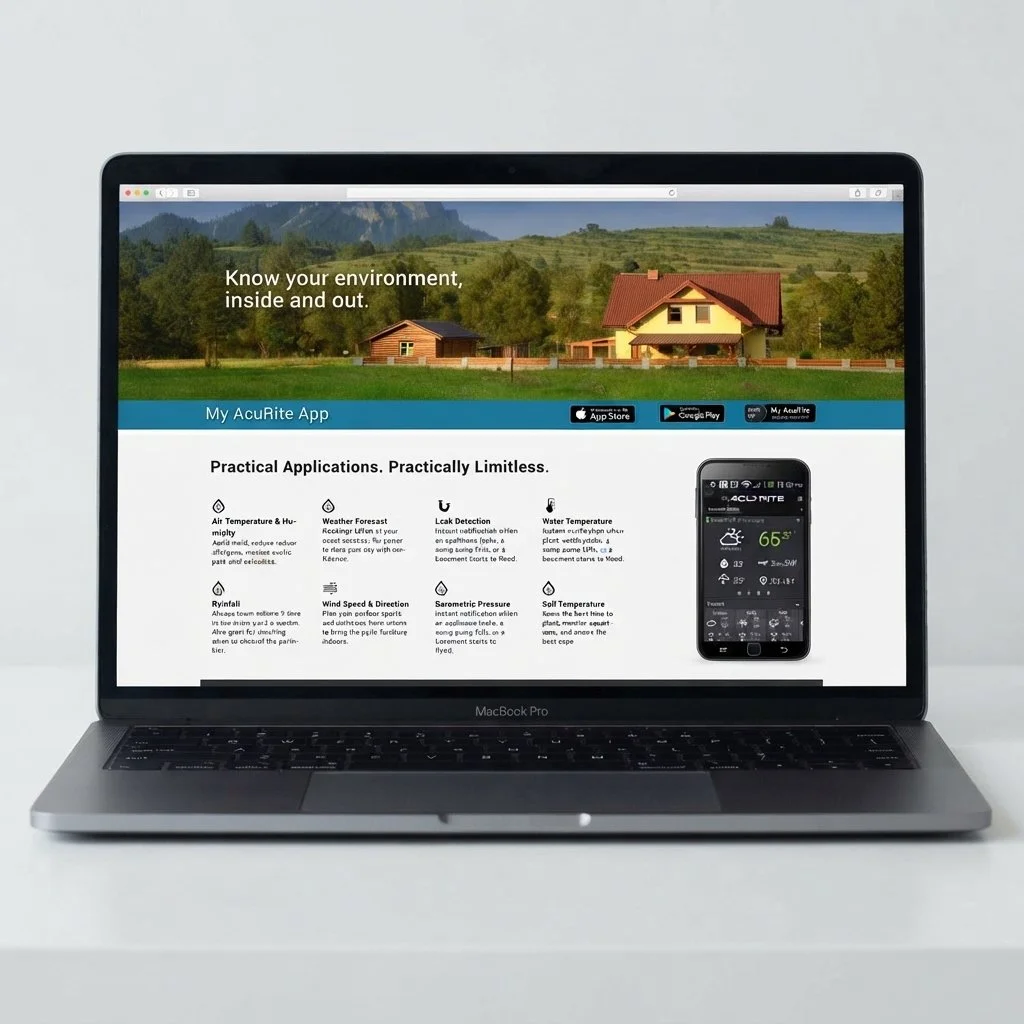
Channels: Sold on AcuRite.com and Amazon.com from $89.99, with iPhone and Android apps and continued Weather Underground sharing.
The B2B interviews found real interest from property managers worried about water damage, along with high expectations for accuracy and support. Those interviews narrowed the commercial target to property managers and landscapers.
“Customer research revealed a second buyer who was already spending money on his home and wanted it to tell him when something needed attention or maintenance.”
Why it worked
The research asked what each buyer would do with the data they captured, not just what they were measuring. Weather enthusiasts wanted readings with accuracy to a tenth of a degree. The smart home user wanted to be told when to act. That one difference changed the alerts, the sensors and messaging, and it did not need new hardware to get started.
The survey also screened carefully. To count as a smart home user, a respondent had to have already bought home automation technology (that one question disqualified 45% of people who otherwise qualified). The launch also kept the weather user in the loop, with his own landing page and messaging, so the relaunch added a second buyer without walking away from more than 68,000 existing weather users.
Accelerate your marketing engine.
Hire a fractional CMO who has built the channels, the teams, the AI-assisted automation, and owned the results.
