Kara Lineal led the launch of REM-Fit’s smart pillow, billed as the world's first. In its launch year, the pillow received CES Innovation Awards recognition and two international design awards.
REM-Fit.com revenue grew 247%, and an IFTTT partnership helped make the holiday season the brand's best month. SureFit acquired REM-Fit in 2020.
JAB Distributors dba REM-Fit | VP of Marketing | 2016 to 2018
RESULTS
3
design honors for the smart pillow including CES Innovation Awards Honoree
+247%
REM-Fit D2C revenue in 2017, with the smart pillow its top-selling product
32 to 406
December orders, year over year, after the IFTTT partnership
Challenge
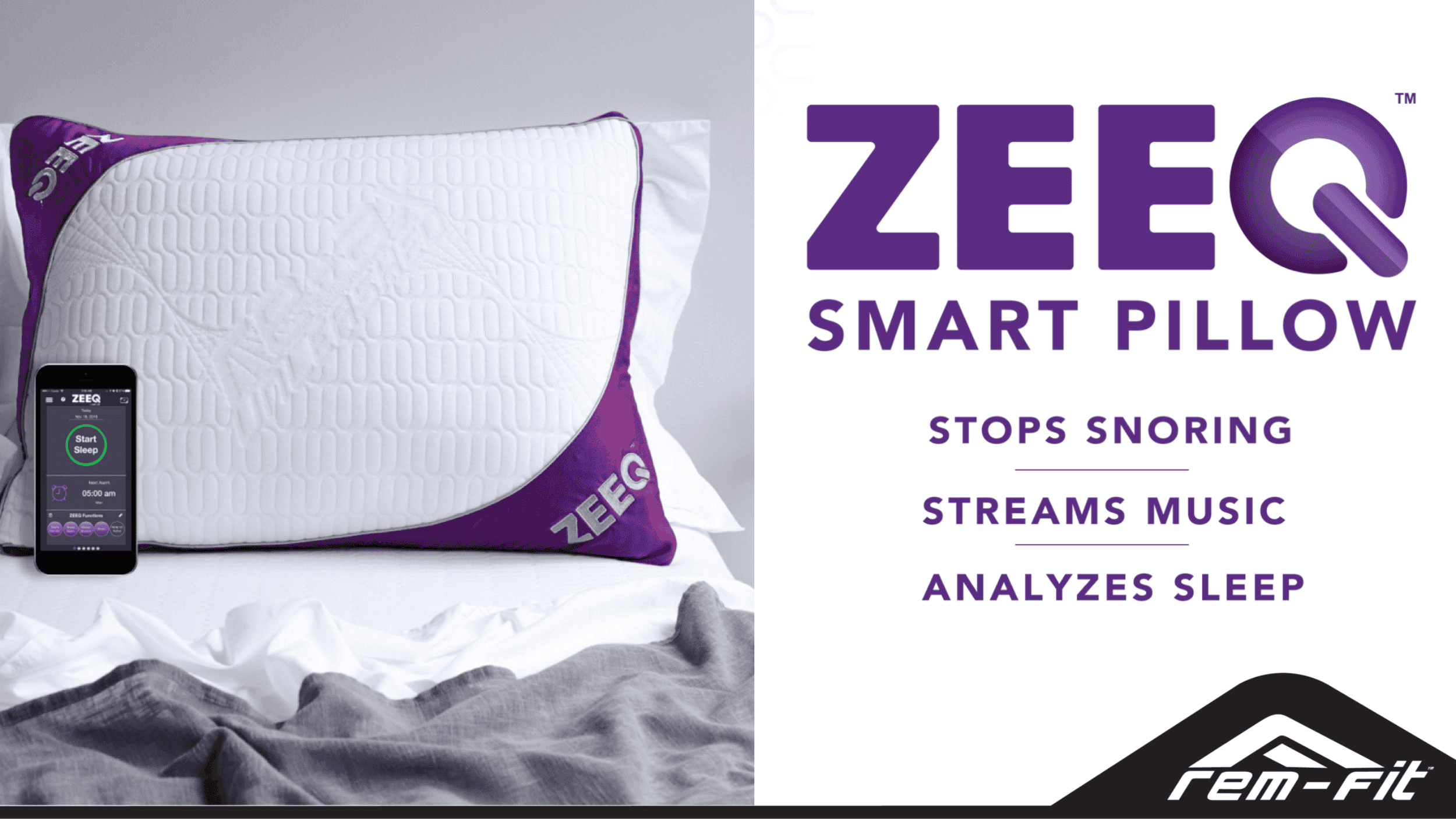
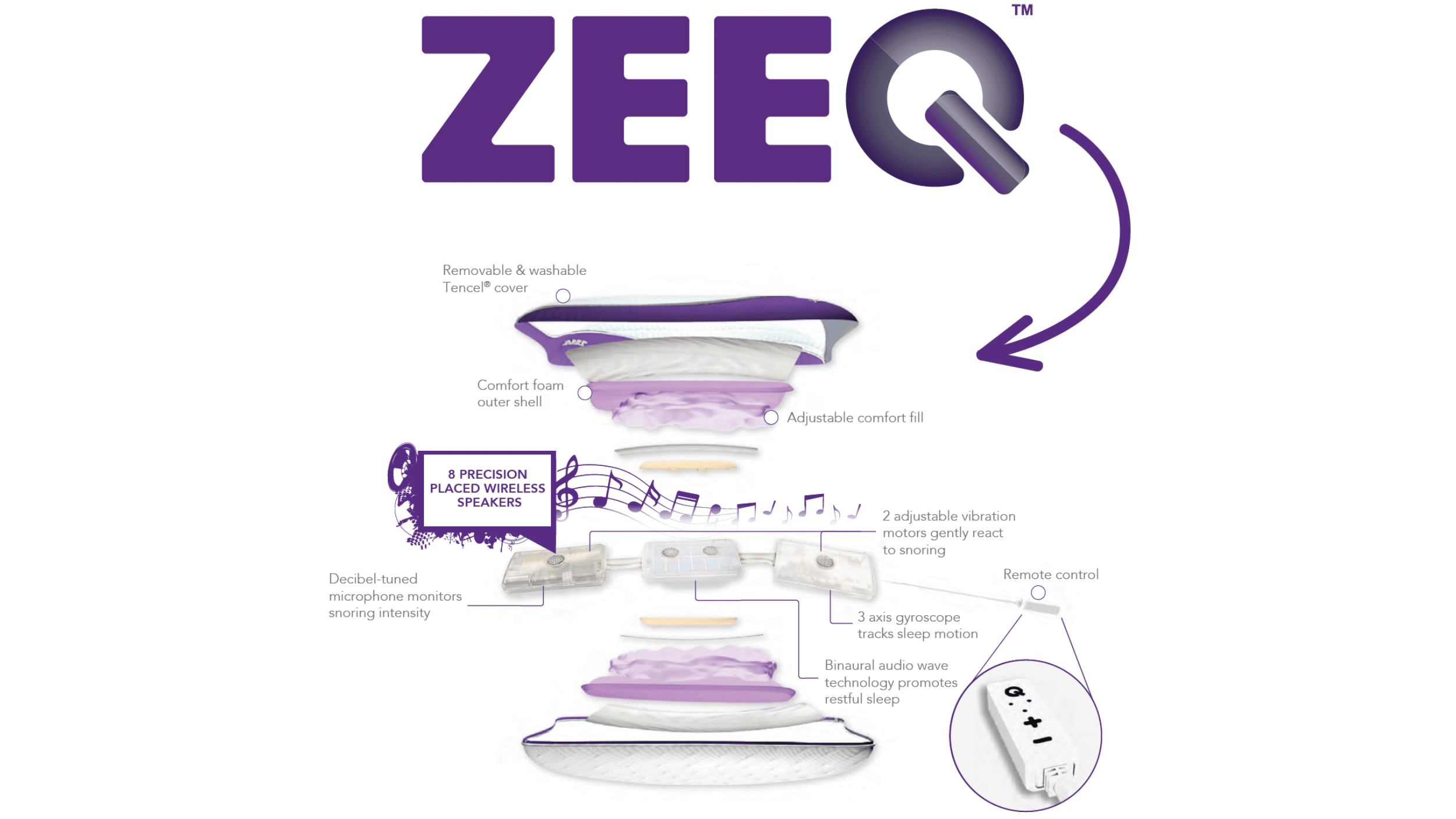
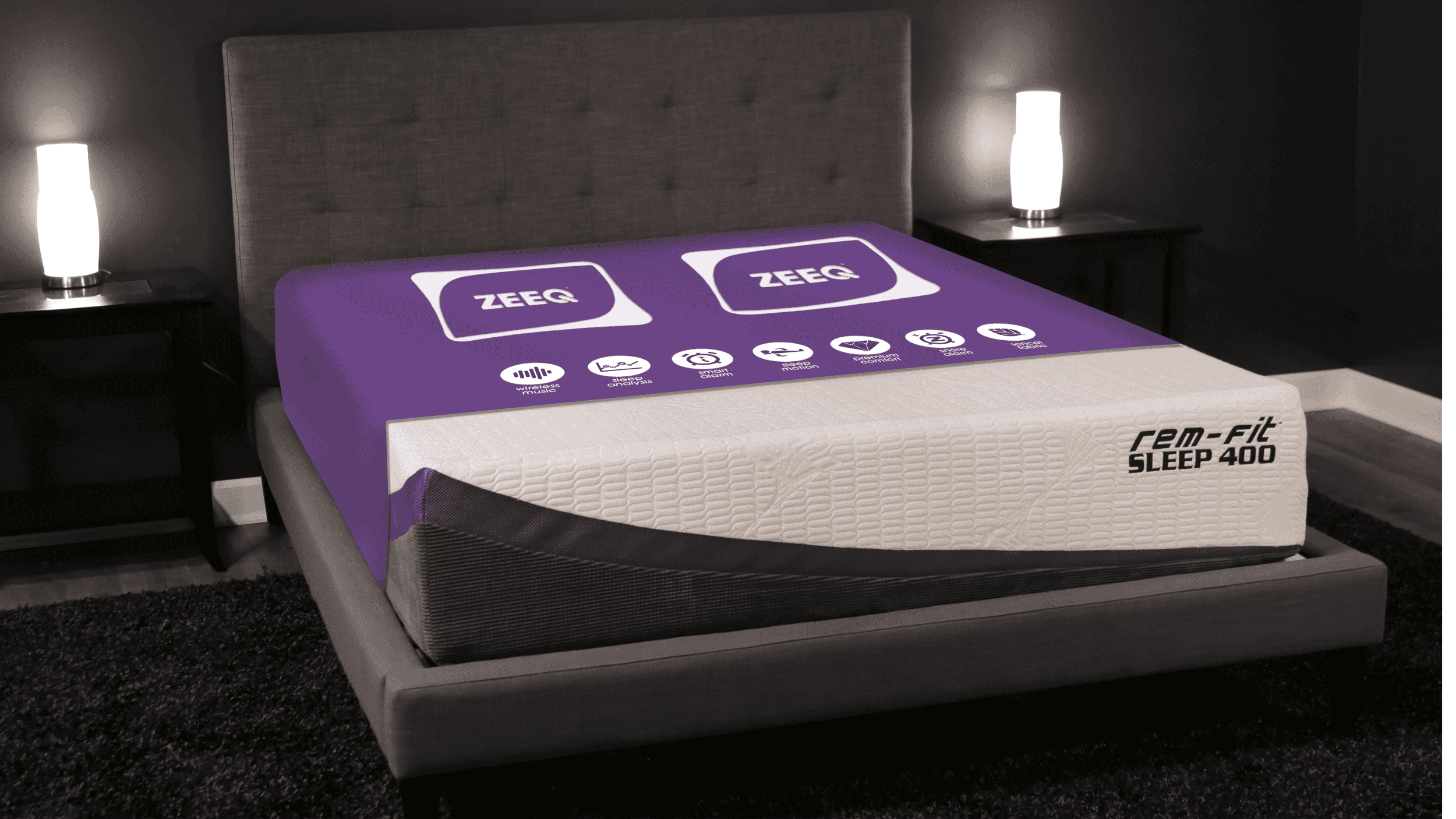
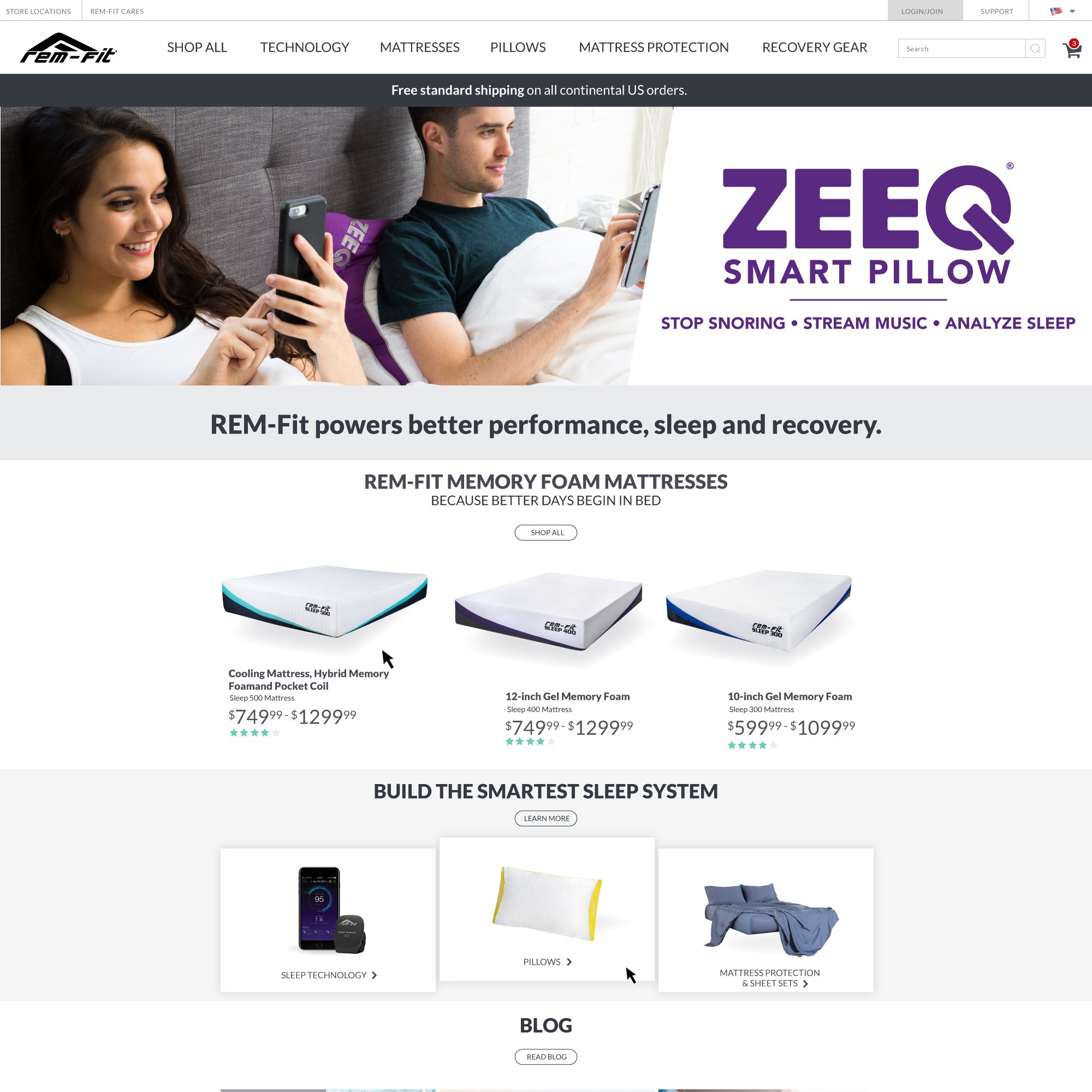
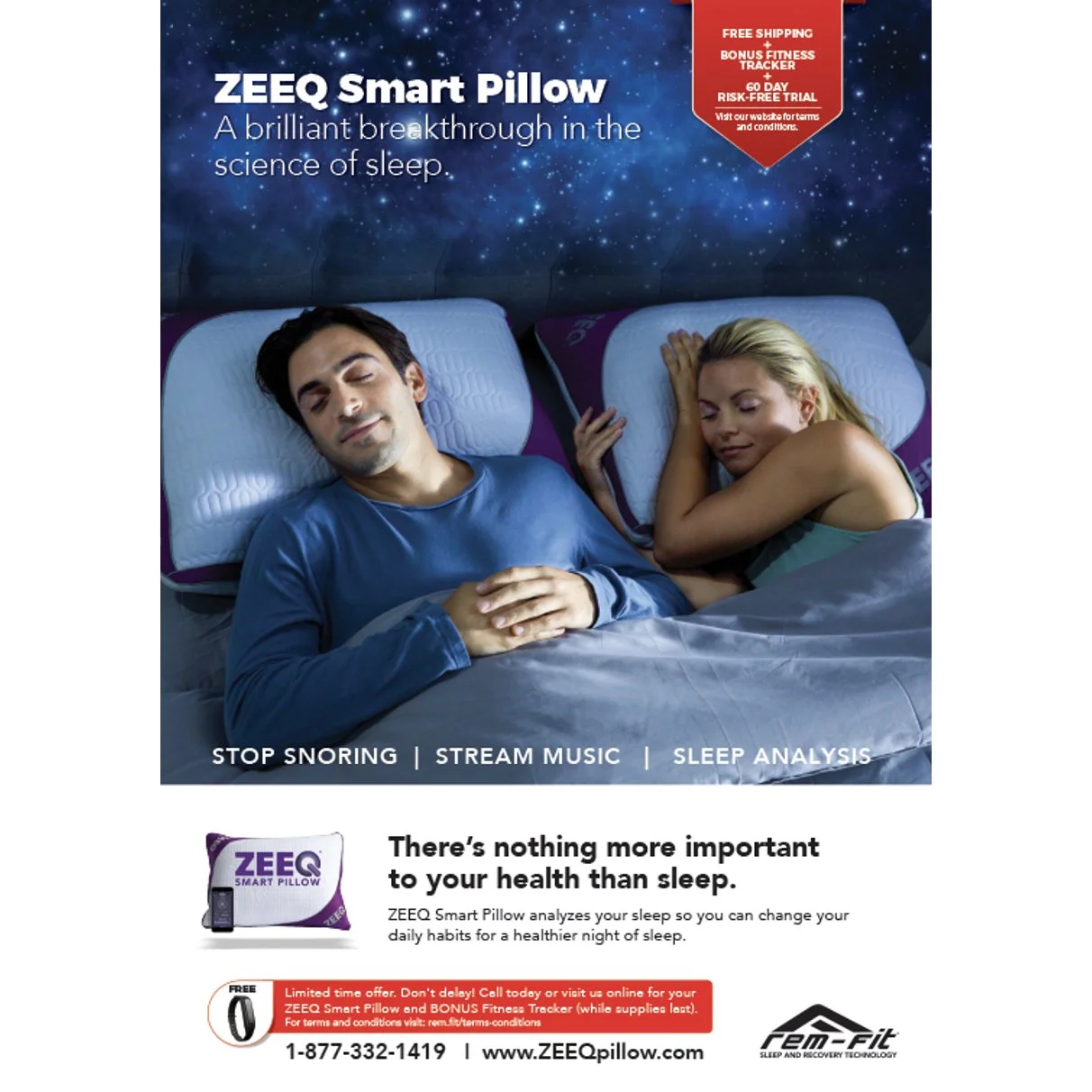
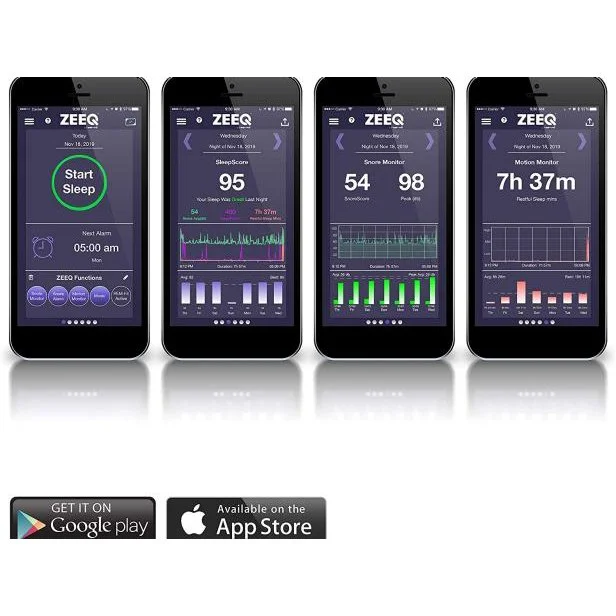
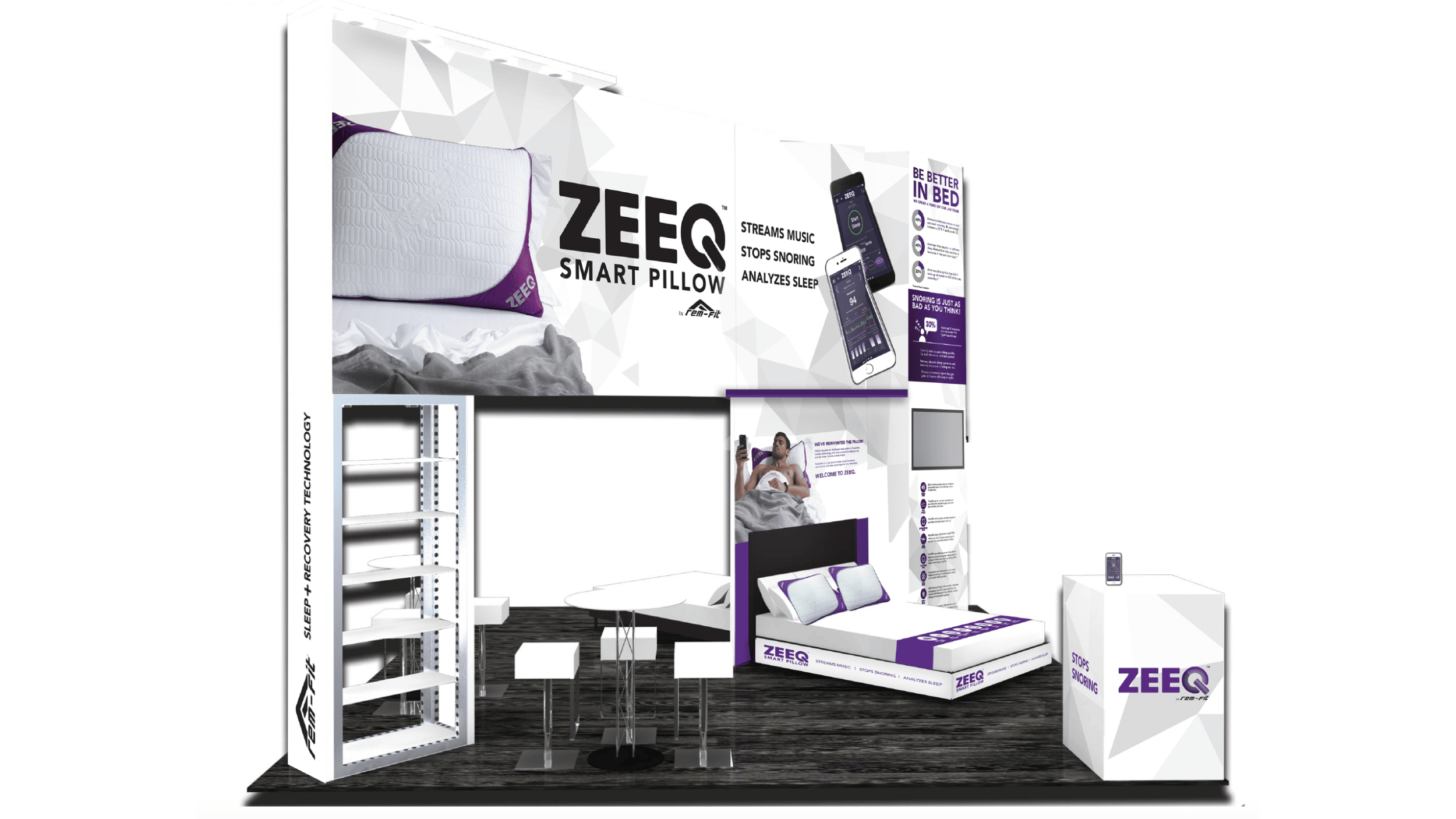
REM-Fit was a Chicago-based active-lifestyle bedding brand, launched in 2014, selling pillows, mattresses and sleep trackers. Launching a smart pillow was its biggest bet: a pillow that played music only the sleeper could hear, nudged snorers to change position, tracked sleep and woke users at a light stage of sleep. It had eight speakers, an app and Amazon Alexa support, and it sold for $299.
A Kickstarter campaign run before Kara joined met its funding goal in 16 hours and went on to raise 800% of that goal. Early adopters were interested, but most shoppers had never heard of a smart pillow, let alone searched for one. During the 2015 holiday season, about 0.4% (Dec 2016) of REM-Fit.com visitors made a purchase.
What she did
Earn credibility before spending on ads.
The smart pillow was launched to tech press at CES 2017 and pitched to holiday gift guides and tech reviewers. Coverage followed in TIME, Sports Illustrated, InStyle, Reader's Digest and CNET Live.Give retail a reason to stock it.
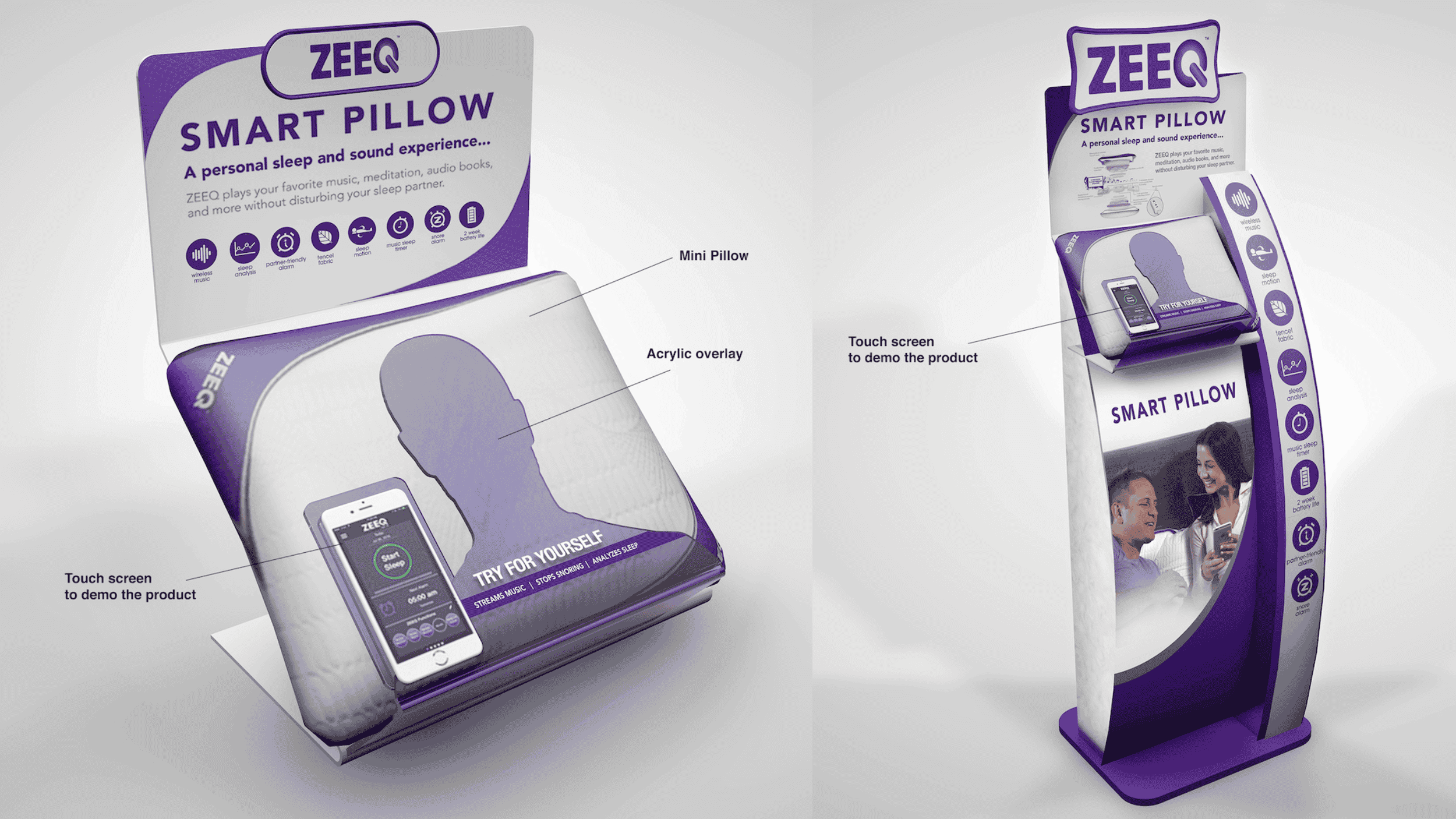
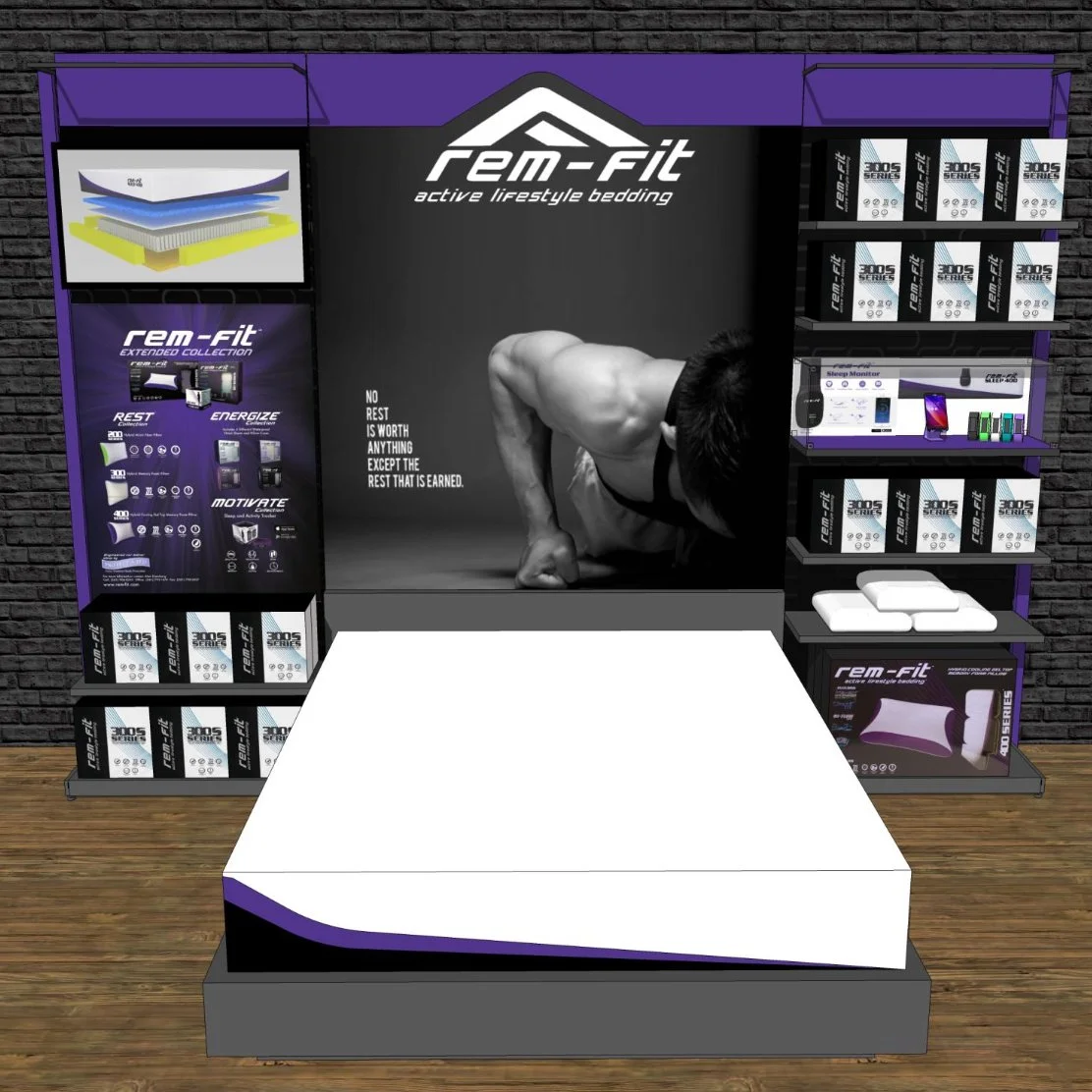
She created the marketing toolkit for REM-Fit branded stores, including supporting a REM-Fit store-within-a-store with Mattress Firm, and a Web Commerce Program that paid stores a commission on online sales in their area, so the website added to a retailer's business instead of competing with it.Test reach against orders.
In fall 2017 she ran a paid push across airline magazines, NYC subway cards, TV, programmatic and social ads, and tracked every channel to orders.Move the money when the data said so.
Programmatic ads delivered about 2 million impressions and one conversion. Facebook and Instagram delivered about 3 million impressions and three conversions. She shifted budget to paid search and to a featured partnership with IFTTT, whose 9.5 million users connect smart devices to each other and were already looking for products like a smart pillow.Show leadership the math.
Her 2018 plan showed that reaching the goal of 15,000 pillows a month would take about 3 million site visits a month at the 0.5% conversion rate, more than Casper or Purple drew, and that the same spend would return far more applied to REM-Fit mattresses.
“At our conversion rate, 15,000 pillows a month meant about 3 million visitors a month, more than Casper. Leadership was provided with the data to decide on the numbers, not on how much we all liked the product.”
The results
The smart pillow was named a CES Innovation Awards Honoree, won a European Product Design Award, and took Silver at the International Design Awards, in 2017.
REM-Fit D2C revenue grew 247% in 2017, against a 10% goal. The smart pillow was the site's top product, about 60% of its revenue through September.
In December 2017, the month of the IFTTT features, REM-Fit orders rose from 32 to 406 year over year and the conversion rate doubled, from 0.32% (Dec 2016) to 0.64%. IFTTT became REM-Fit's largest source of referral traffic.
In the UK, where the distributor ran no campaign of its own, the smart pillow page traffic rose 127% and conversion rose from 1.12% to 2.37% in the same window.
REM-Fit was acquired in April 2020.
Why it worked
Most shoppers weren’t searching for a smart pillow at the time. Ads could put it in front of them, but attention alone didn’t lead to many sales. What helped was credibility: design awards, coverage from tech journalists, and retailer support gave shoppers reasons to trust an unfamiliar product. The connected-device partnership reached people who were already interested in products like it. By tracking which channels led to orders, the team could see what worked and shift the budget during the same holiday season.
The lesson carries over to AI search. When buyers ask an assistant for a recommendation, it helps if credible sources have already written about the brand.
Accelerate your marketing engine.
Hire a fractional CMO who has built the channels, the teams, the AI-assisted automation, and owned the results.