A consumer electronics manufacturer sold 95% of its products on retail shelves and did not own the domain for its brand name. Five years later, direct and marketplace channels carried more than half of its profit.
Primex Family of Companies (AcuRite) | Senior Director of Marketing | 2011 to 2016
RESULTS
$5M
D2C website built at 65% gross margin
51%
company gross profit from e-commerce, on 30% of revenue
49% to 20%
largest retailer's share of company revenue
Challenge
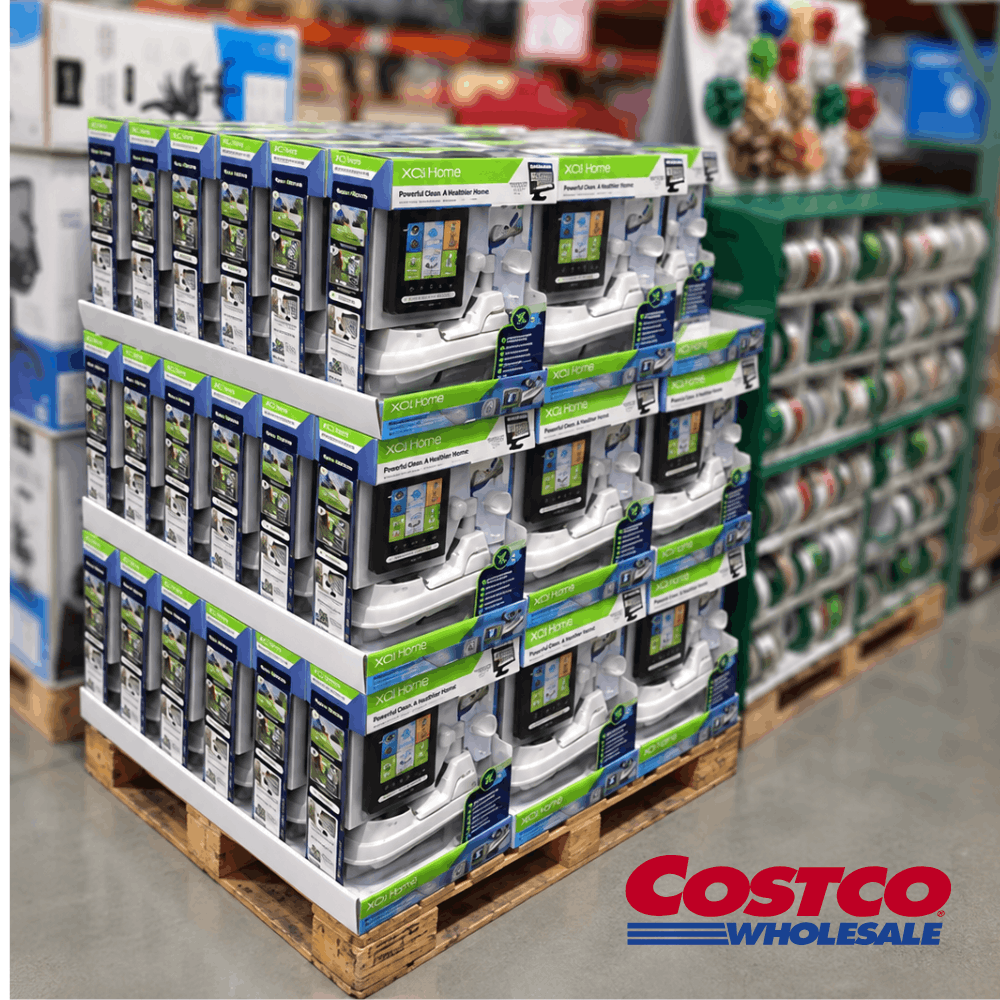
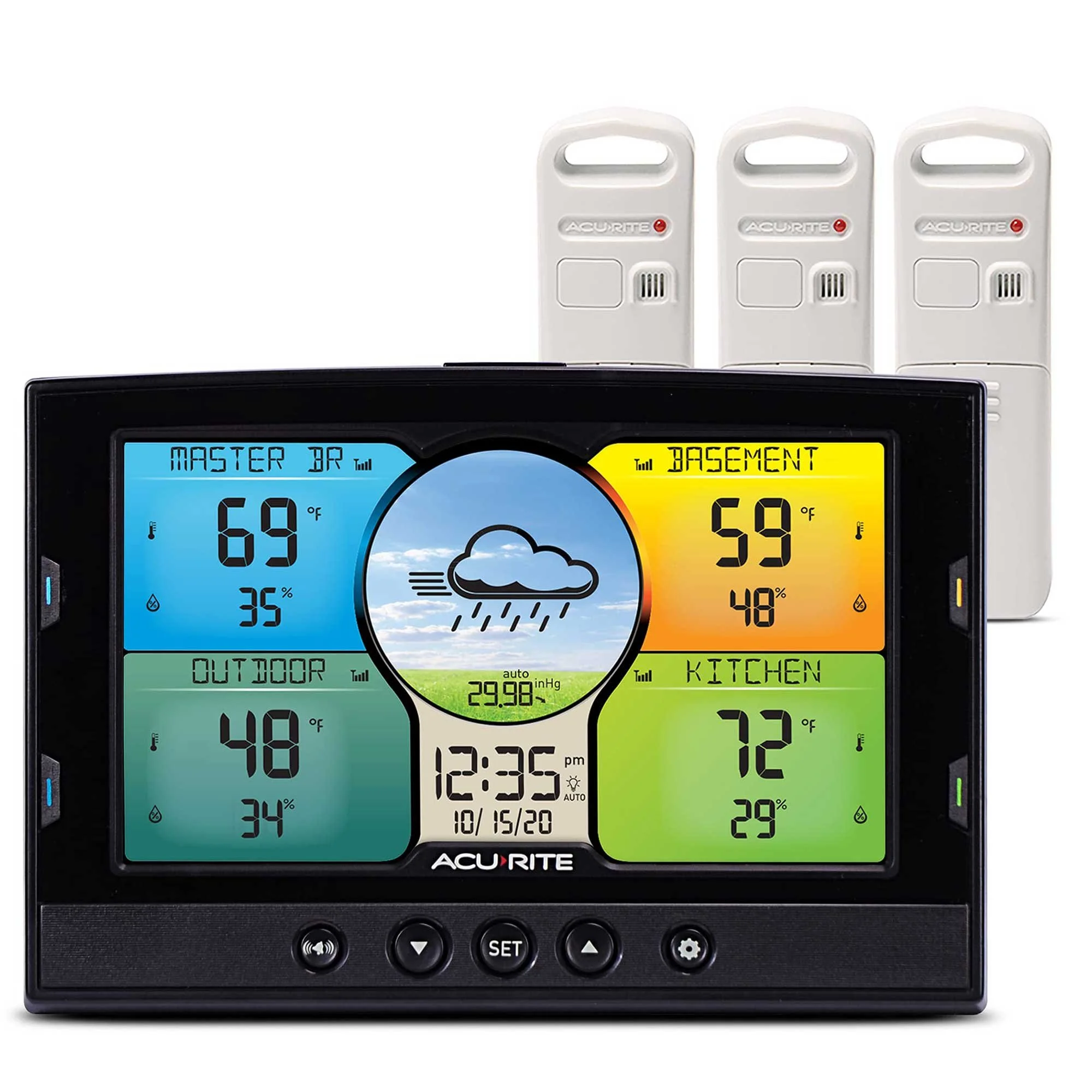
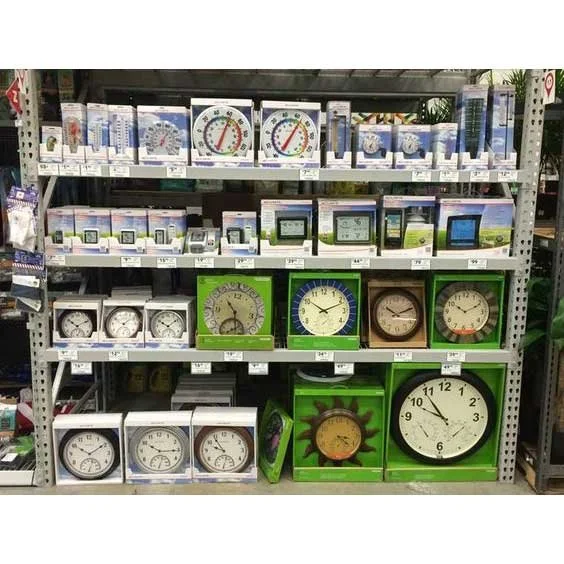
AcuRite sold through Walmart, Home Depot, Lowe's, Costco, and other national retailers. Roughly 95% of revenue came from those shelves and 5% came from online retailers, and a single mass retailer accounted for 49% of first-half revenue in 2011.
The company had no direct channel of its own. It had no customer data, no Net Promoter Score, and no way to reach the people using its products except through the retailers selling them. Retail consolidation was steadily reducing the number of buyers who controlled that 95%.
It had also stopped growing. After four flat years, the decline was sitting in the channels that carried almost all of the business. Single-channel dependence was the reason the role existed.
“I was hired because one retailer was 49% of first-half revenue and the company had no direct line to the consumer. My job was to build the online revenue pipeline.”
What she did
Built the direct and marketplace business alongside the retail business.
Owned the name: Acquired acurite.com within a month of joining, then consolidated and migrated the company's scattered sites into one.
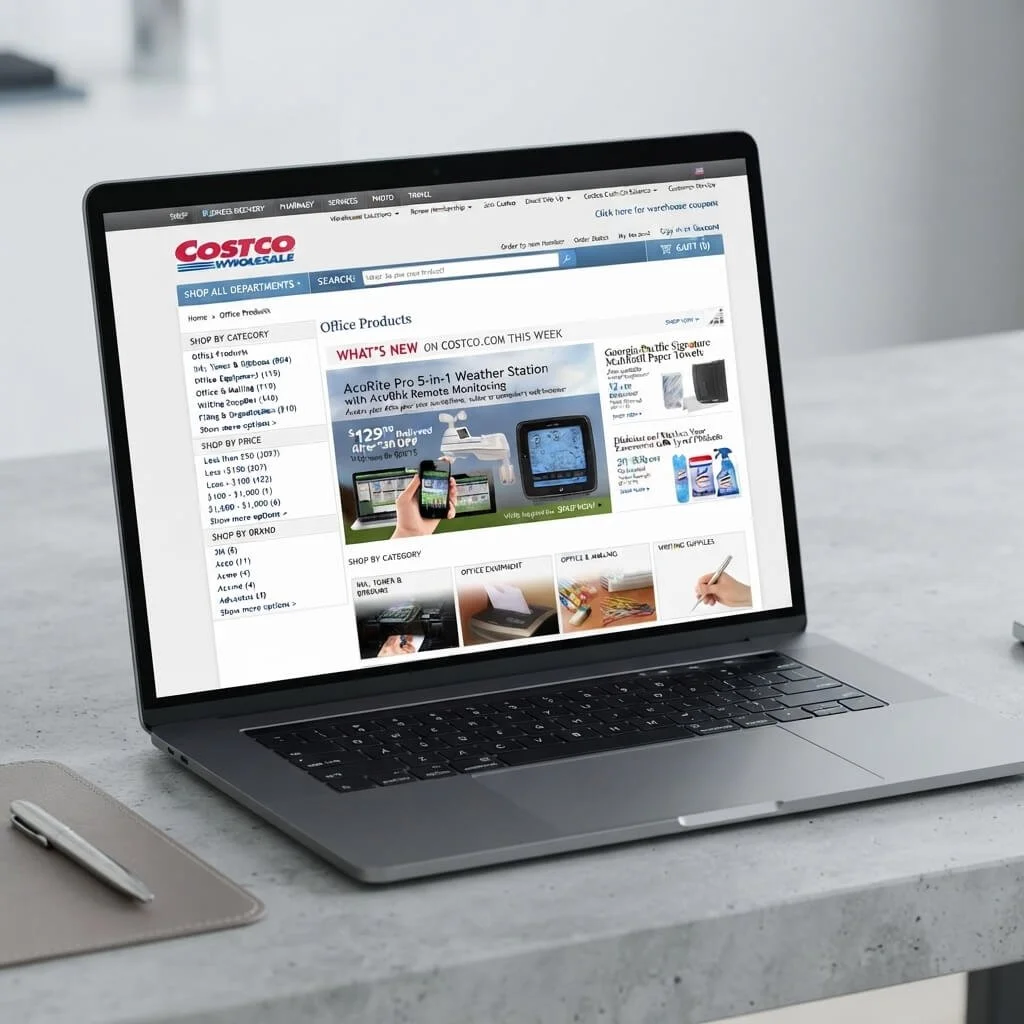
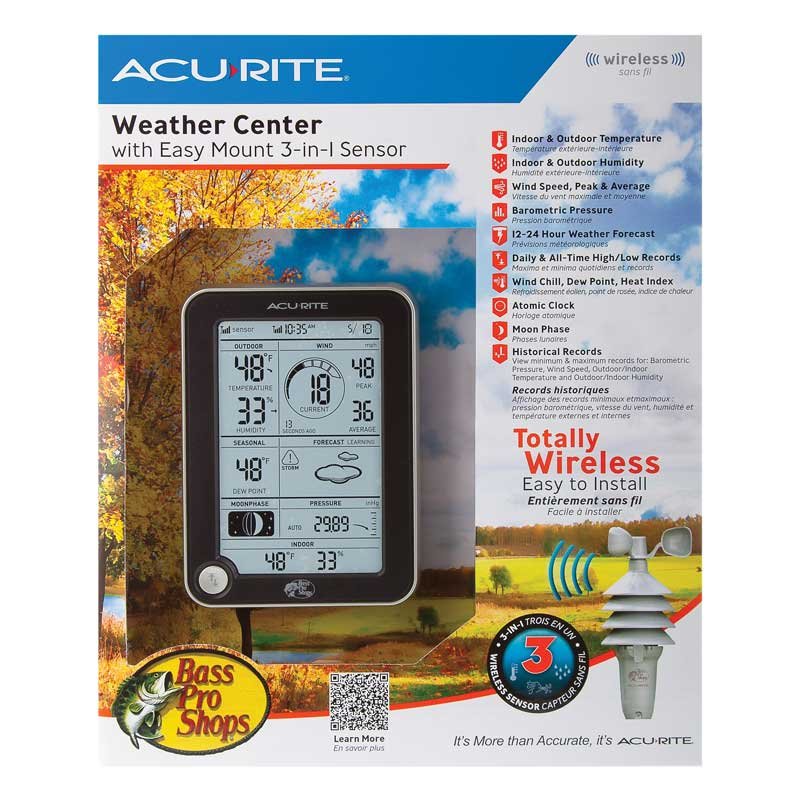
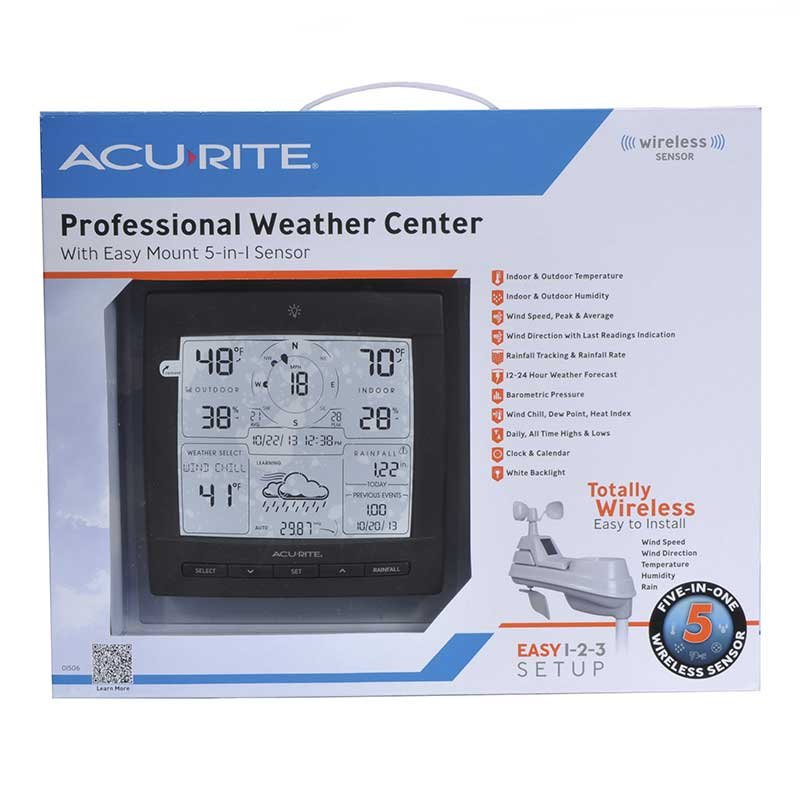
Treated every retailer site as a storefront: Launched and merchandised homedepot.com, walmart.com, costco.com, amazon.com and others, each with its own content, SEO strategy, imagery and product data.
Brand experience: Launched a brand forum, influencer network, and online knowledge base. Launched education-first content marketing strategy.
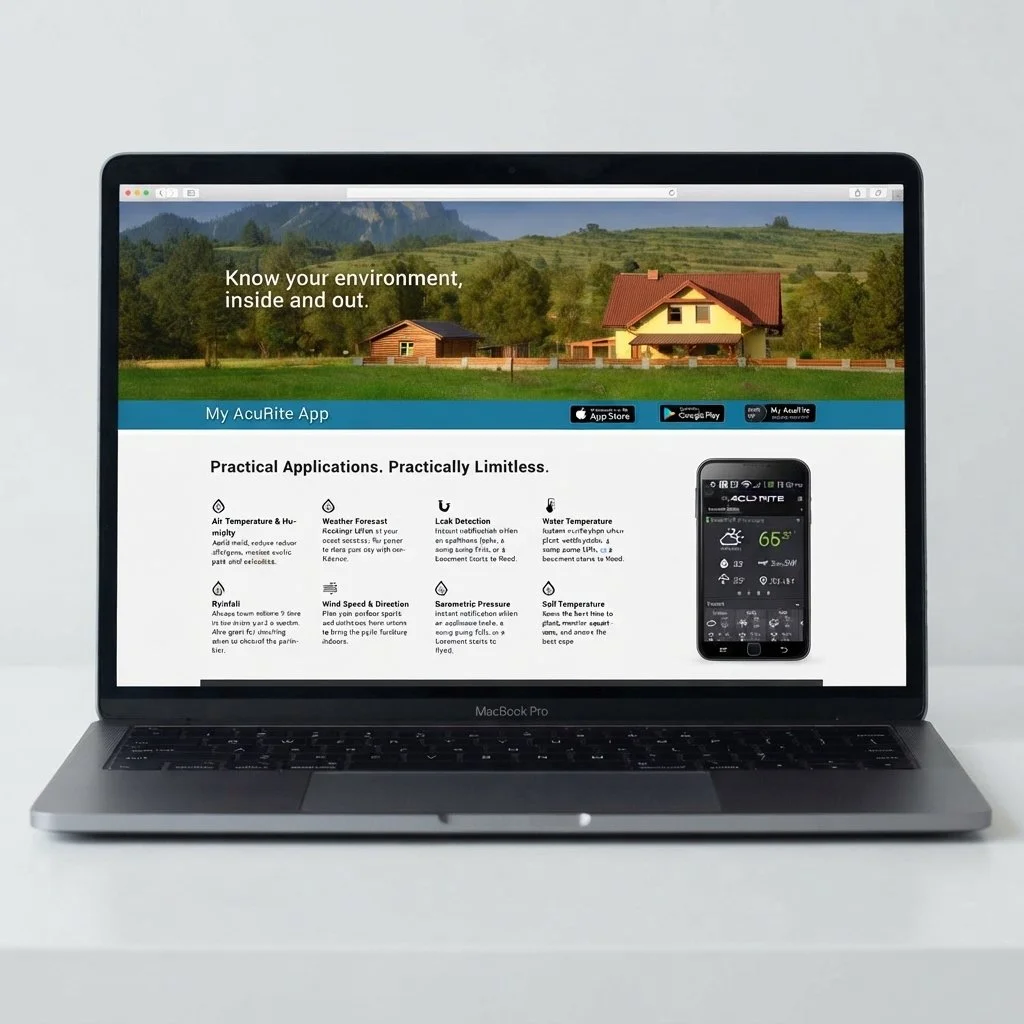
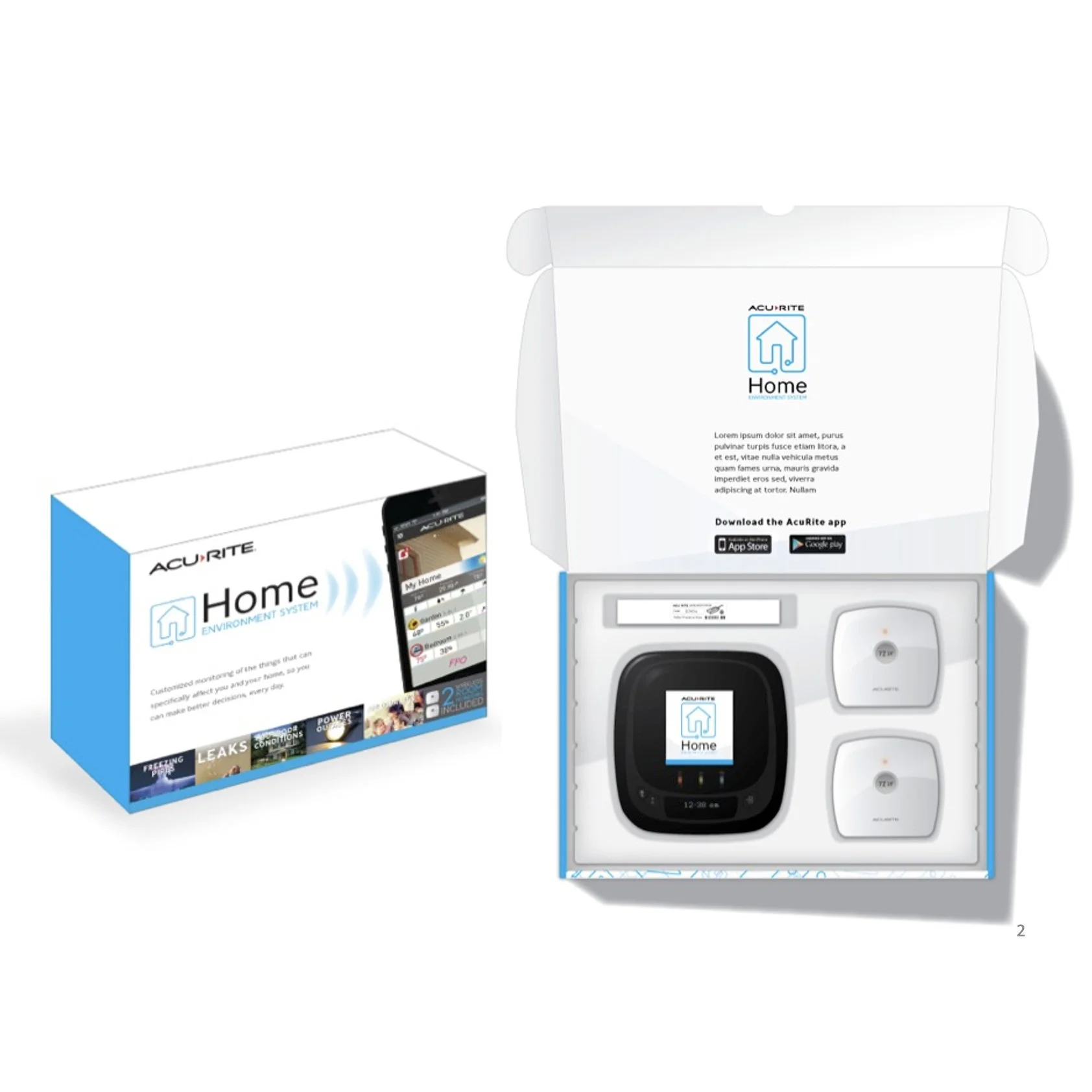
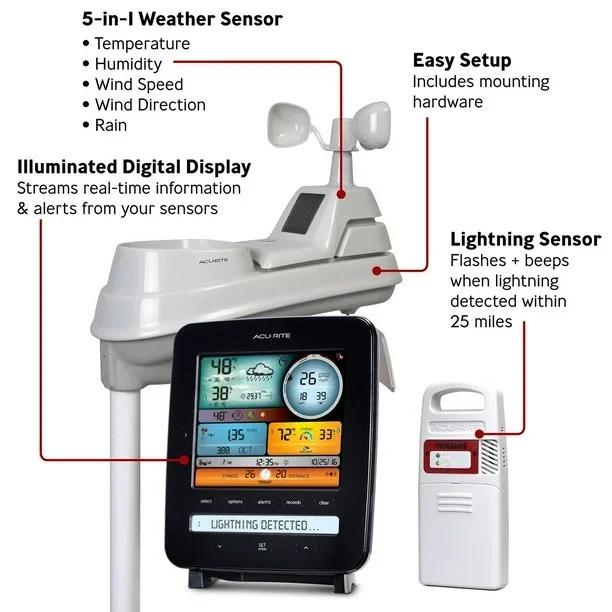
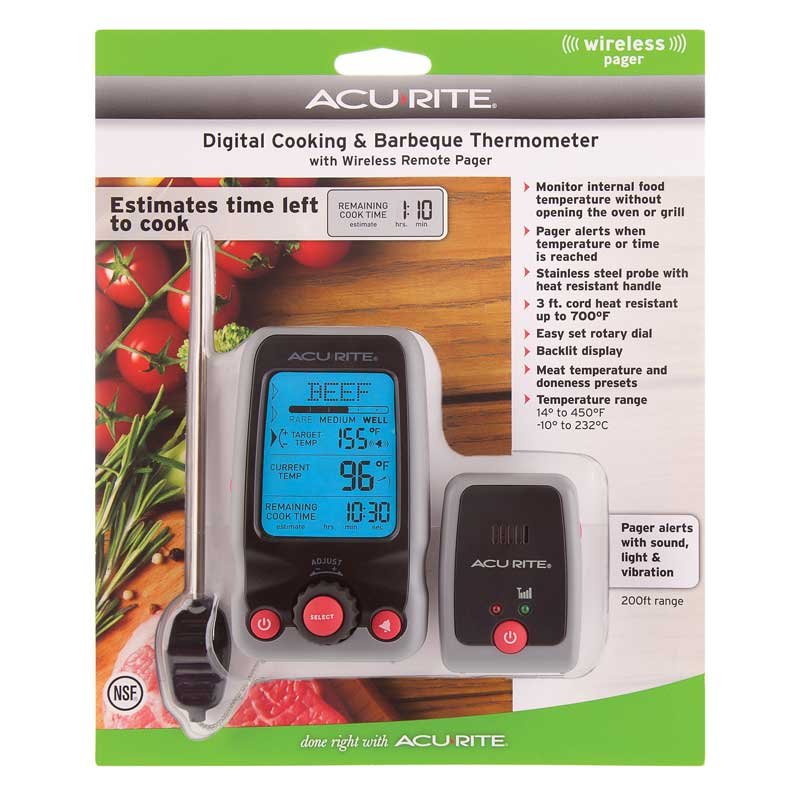
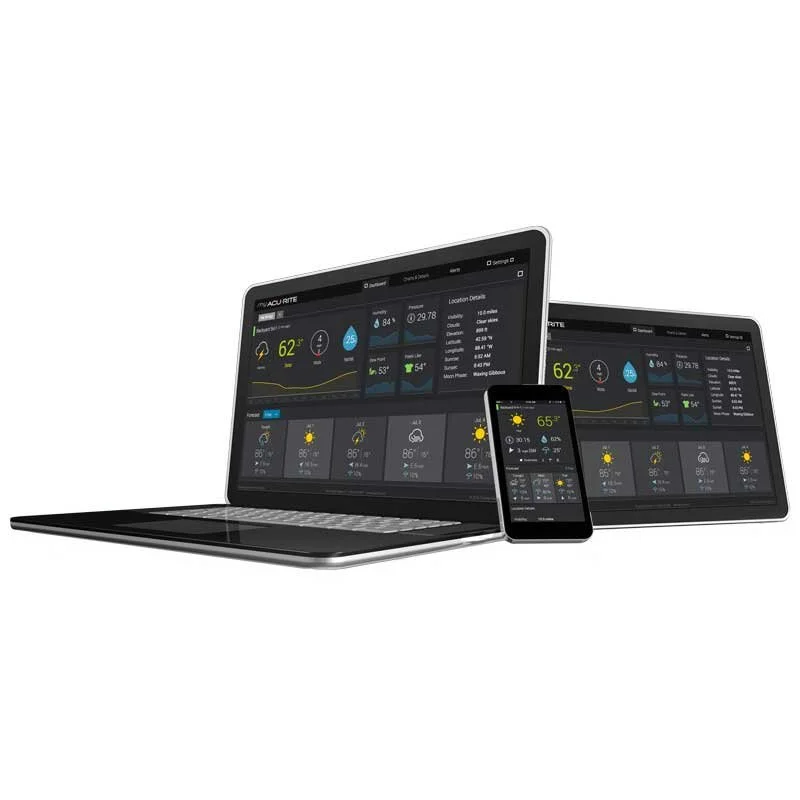
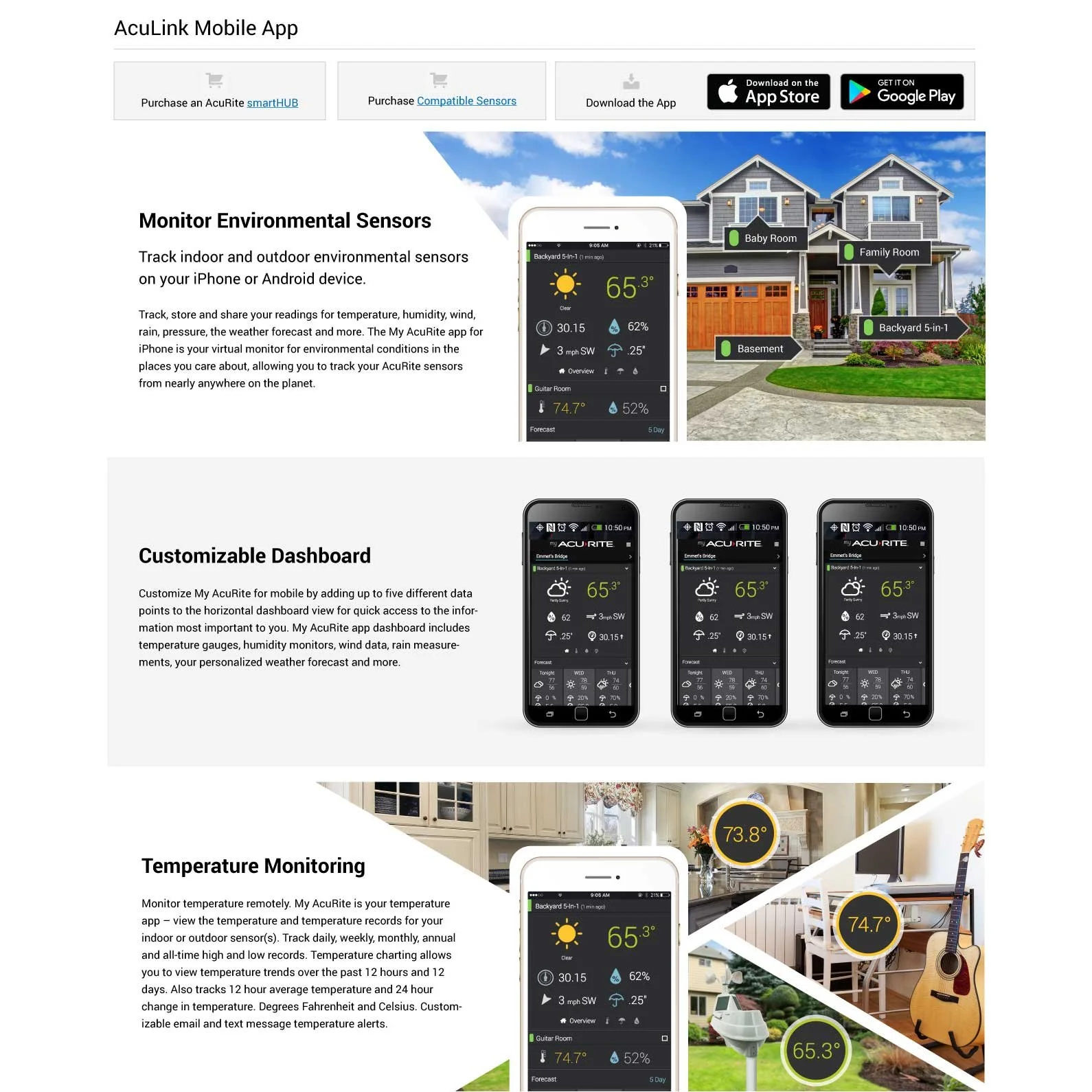
Product: Launched an online forum for product feedback and a beta testing program to support smart home mobile app and product testing. Developed marketing assets for all products sold online, including manuals, videos, and online support.
Service: Managed customer support during the department’s growth from 4 agents to more than 20 agents supporting smart home products, with Salesforce Service Cloud replacing a model that could not scale. Launched live chat, social media messaging, and an online answer forum as new support channels.
Platform and operations: Replatformed to Magento, launched Salesforce CRM and Service Cloud, integrated with the ERP. Drove the expansion of fulfillment and pick-and-pack capacity to support direct orders without impacting the retail supply.
Demand: SEO, paid search, Amazon advertising, email, affiliates, influencers, display and PR managed in-house against a weekly tracker that reported revenue, cost and profit by channel.
Ownership: Created marketing assets for 10,000 SKUs, P&L for a 250+ SKU portfolio and a cross-functional team of 25+ across marketing, product development, e-commerce, and customer support.
The results
THE CHANNEL MIX INVERTED
+36%
Marketplace, direct and club channels, fiscal 2016 against the prior year
−16%
Brick-and-mortar retail channels over the same period
Company revenue still grew 5.6% that year, because the channels that were growing were the ones actively being built and launched.
PROFIT FOLLOWED BEFORE REVENUE
E-commerce grew from 23% to 30% of company revenue, and from 44% to 51% of company gross profit.
E-commerce sales earned a 51% gross margin; retail sales earned 20%, a 31-point gap.
Dependence on the largest single retailer fell from 49% of first-half revenue to 20%.
D2C website grew 40% year over year at a 65% gross margin.
Company revenue went from roughly $46M to $69M, after four years of flat sales.
“Watch gross profit in addition to revenue. E-commerce was 30% of revenue and 51% of gross profit. If you only report revenue by channel, you run the risk of underfunding the channel that’s carrying the business.”
THE MARKETING ENGINE
Annual site visitors up to 2.5M (up 32% in FY2016) with conversion up 16% on average order value.
Amazon advertising returned 925% on spend; Google and Bing paid search returned 277%.
Net Promoter Score rose from 1 to 41, a company record, with customer satisfaction at 4.7 out of 5.
200+ earned media placements reaching a reported 180 million people.
Why it worked
The shift in sales mix made the difference. E-commerce sales earned a 51% gross margin, compared with 20% gross margin for sales through retail stores. Each dollar sold through newer channels generated about two and a half times as much gross profit.
As a result, the company could grow gross profit even while its largest channel shrank. We built the service team and product content before investing in more traffic, so the new channels were ready to support that growth. We didn’t sacrifice the retail business; we made sure it was no longer the company’s only source of strength.
“We protected our retail partnerships and shelf presence while building new direct-to-consumer channels. The company grew even as brick-and-mortar sales declined 16 percent.”



Accelerate your marketing engine.
Hire a fractional CMO who has built the channels, the teams, the AI-assisted automation, and owned the results.